
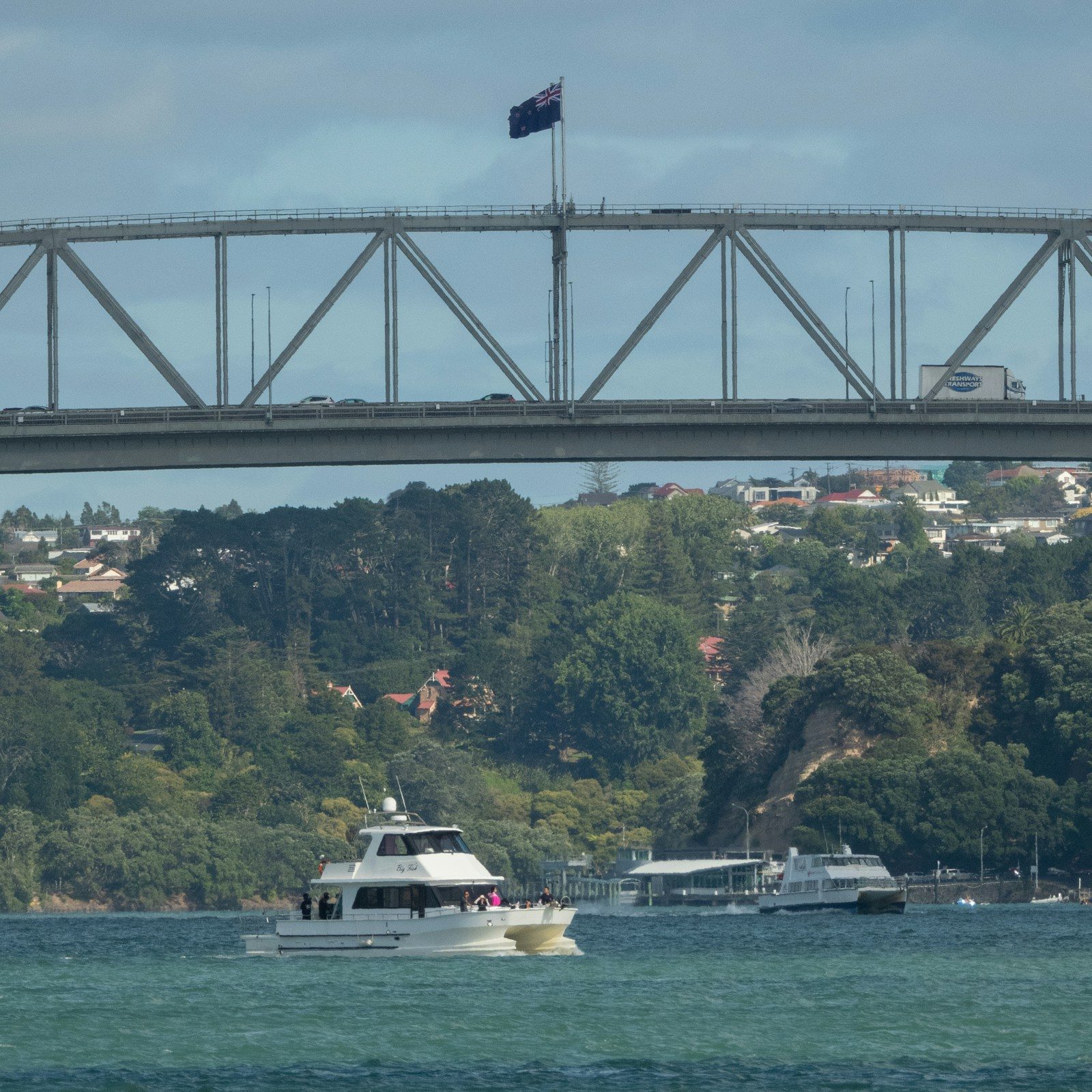
Most people crossing Auckland Harbour Bridge see the traffic ahead of them. The inspection work below the road is much less visible, yet it offers a useful view of how a heavily used asset is cared for between major projects.
In its behind-the-scenes account, NZ Transport Agency Waka Kotahi describes daily inspections and routine checks beneath the roadway. Some locations require abseiling access; a borescope helps inspectors see into difficult spaces. Photographs of areas needing attention are assessed so repairs can be organised.
An observation needs a destination
The business lesson is in what happens after something is noticed. A photograph on someone's phone is not yet a maintenance decision. An observation needs enough information for another person to understand its location, significance and next action.
For owners of smaller commercial or industrial assets, that could mean giving each item a consistent identifier, recording where the observation was made and retaining the relevant history. The right inspection method and frequency must come from competent people familiar with the asset. A bridge programme is not a template to copy indiscriminately onto every structure.
What does transfer is the importance of a clear route from inspection to assessment, work order and close-out. If an issue is deferred, the reason and the next review point should remain visible.
Access is part of the job
Inspection planning also needs to consider how people will reach the area safely and what operations may need to stop. Leaving access arrangements until the day can turn a planned check into a rushed compromise or another postponement.
After repairs, keep the completion evidence with the original observation. That gives the next inspector something more useful than a tick beside a task and helps an owner see recurring problems.
Reliable infrastructure depends on a great deal of ordinary, repeated work. The value is not simply in finding faults. It is in making sure the right people can assess them, act on them and verify what was done.
Explore more engineering articles from BusinessTalk.


