
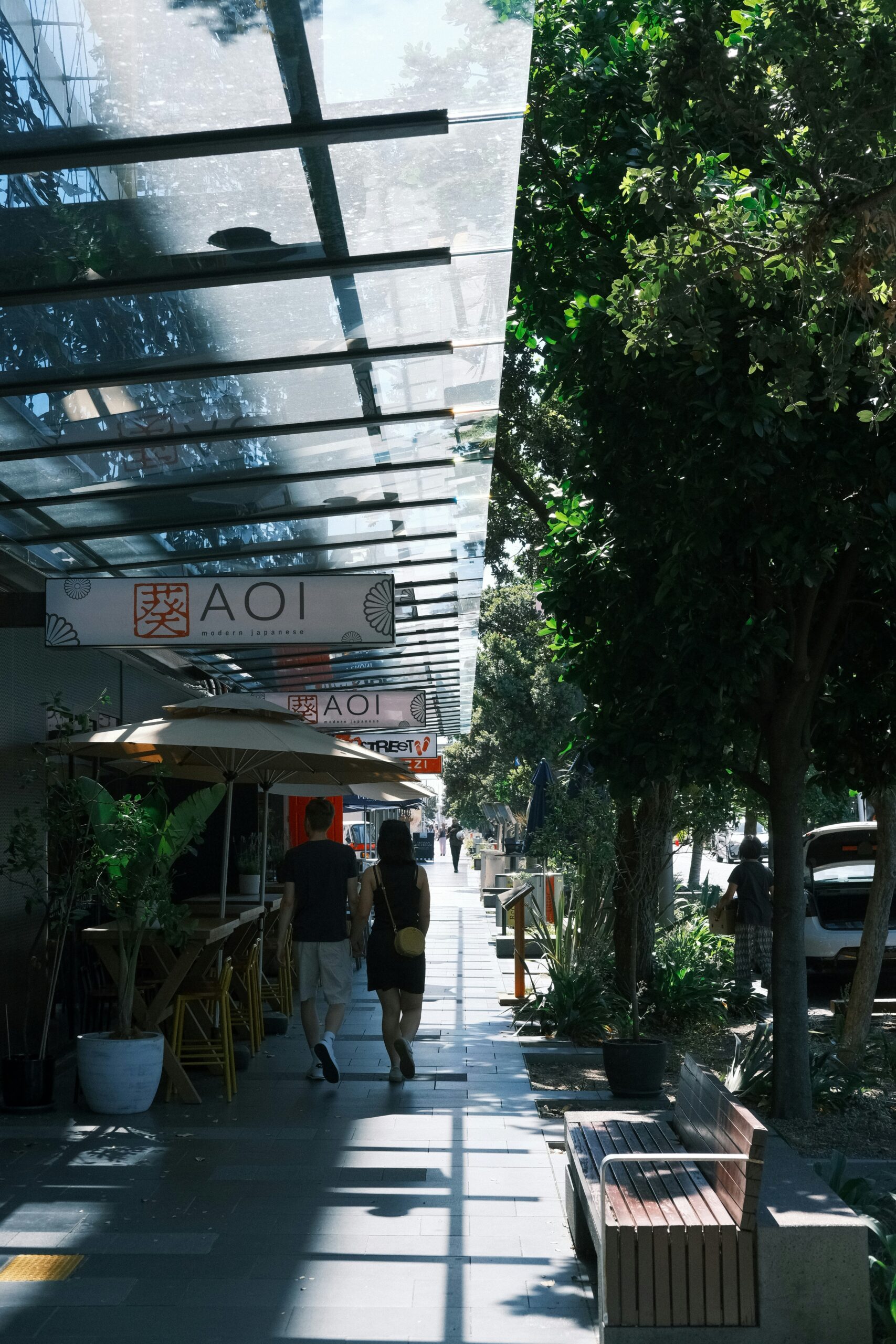
An event can fill a venue while nearby businesses see surprisingly little benefit. A visitor still needs to know where to eat, how to get around and what is open before and after the main attraction.
The Government will develop a National Events Strategy, MBIE announced on 22 September. The work follows a review of the events system and is intended to improve coordination and planning. It is a strategy in development, rather than a new grant available to every event organiser.
Look beyond the ticket
For retailers and hospitality operators, the useful opportunity is to understand the visitor's whole day. A sporting fixture, performance or conference brings different patterns of demand, and those patterns may not fit normal trading hours.
An owner could start with a modest review of the local calendar, then talk with neighbouring businesses about where practical gaps exist. Clear opening hours, easy reservations and realistic transport information may do more for a visitor than another promotional slogan.
Coordination does not require every business to offer the same thing. It works when individual offers complement each other and customers can understand their options quickly.
Measure what the event actually brings
A busy day is encouraging, but it helps to know whether it was profitable. Additional staffing, stock and extended hours should be considered alongside sales.
Businesses can also record what customers asked for and when demand peaked. That information makes the next event easier to prepare for and can support more useful conversations with organisers.
The goal is not to commit to every date on the calendar. It is to identify the events that fit the business and serve those visitors well.
A national strategy may improve the wider framework. The local work remains wonderfully practical: making a town easy to navigate, a booking easy to complete and a visit worth extending. Those details are where an event can become more than a temporary crowd.


