
A material can be a disposal problem in one process and a possible input in another. The challenge is proving that the second use is safe, consistent and worth the effort.
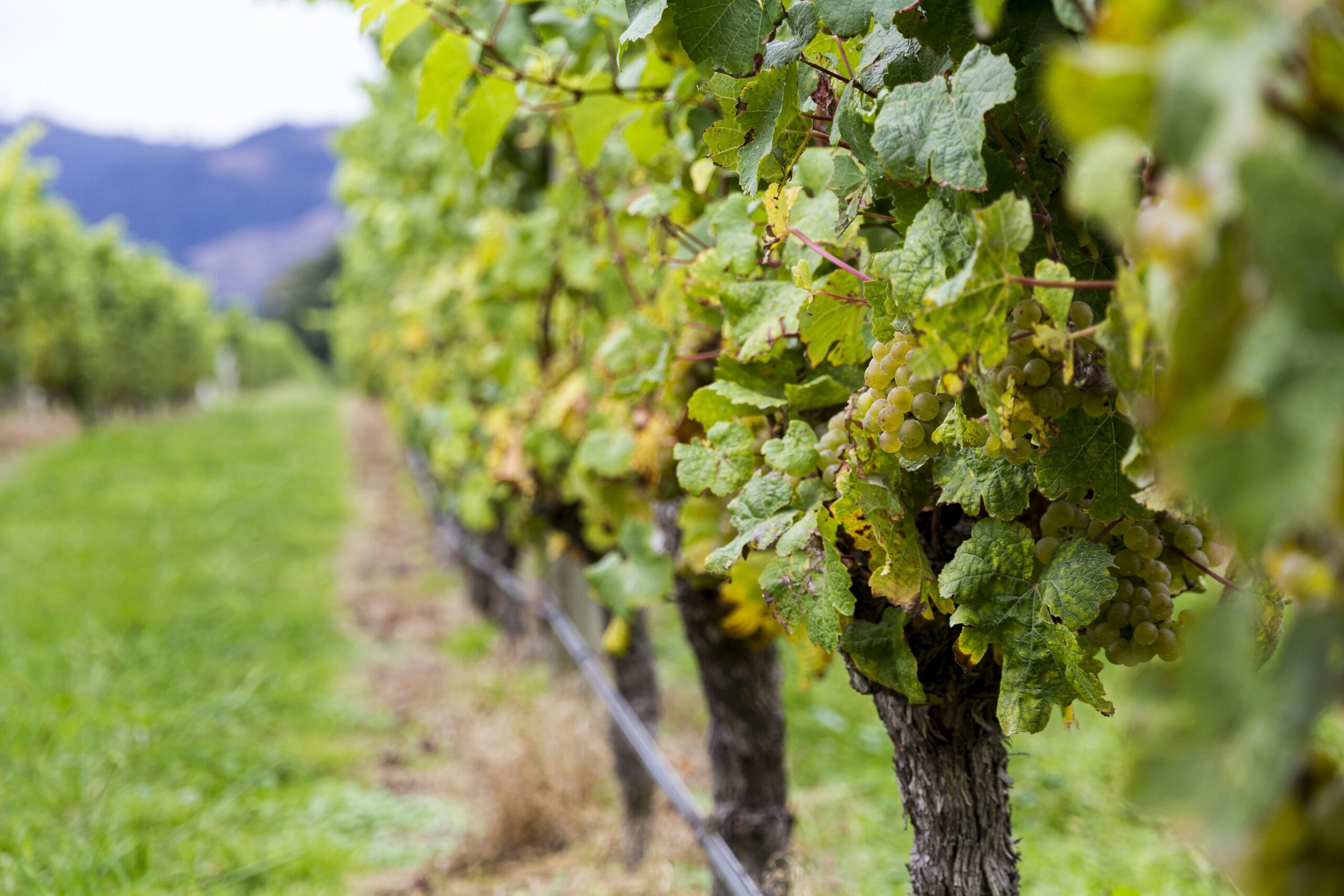
A research investment announced on 27 August will investigate using winery lees with compost and biochar to produce a soil amendment in Marlborough. Government funding of more than $2.79 million is being matched by more than $4.19 million in co-funding. The work is intended to test viability at scale; it does not establish that every winery residue is suitable for unrestricted use on land.
A circular idea needs a practical route
Moving from an attractive concept to a usable product requires answers to ordinary operating questions. How is the material collected? Does its composition vary? What storage and transport does it require? Who checks the finished product?
Those details can determine whether a technically promising process works commercially. A useful output may still be difficult to supply if the input arrives unpredictably or is expensive to handle.
For businesses considering their own by-products, the lesson is to characterise the material before looking for a market. A clear account of quantity, consistency and handling requirements makes a potential partnership easier to assess.
Test the value at both ends
The producer needs a workable outlet, while the buyer needs a product that performs reliably. A successful arrangement has to make sense for both.
That includes understanding the evidence behind any environmental or performance claims. Turning a residue into a new product does not automatically prove a net benefit across every part of its life cycle.
The Marlborough work is worth following because it brings those questions into a structured research programme. It may identify useful applications, practical limits or both.
Industrial resourcefulness is often less about a dramatic invention than about understanding a material well enough to use it differently. The strongest opportunities are the ones that remain convincing after the handling, testing and commercial details have been worked through.


