
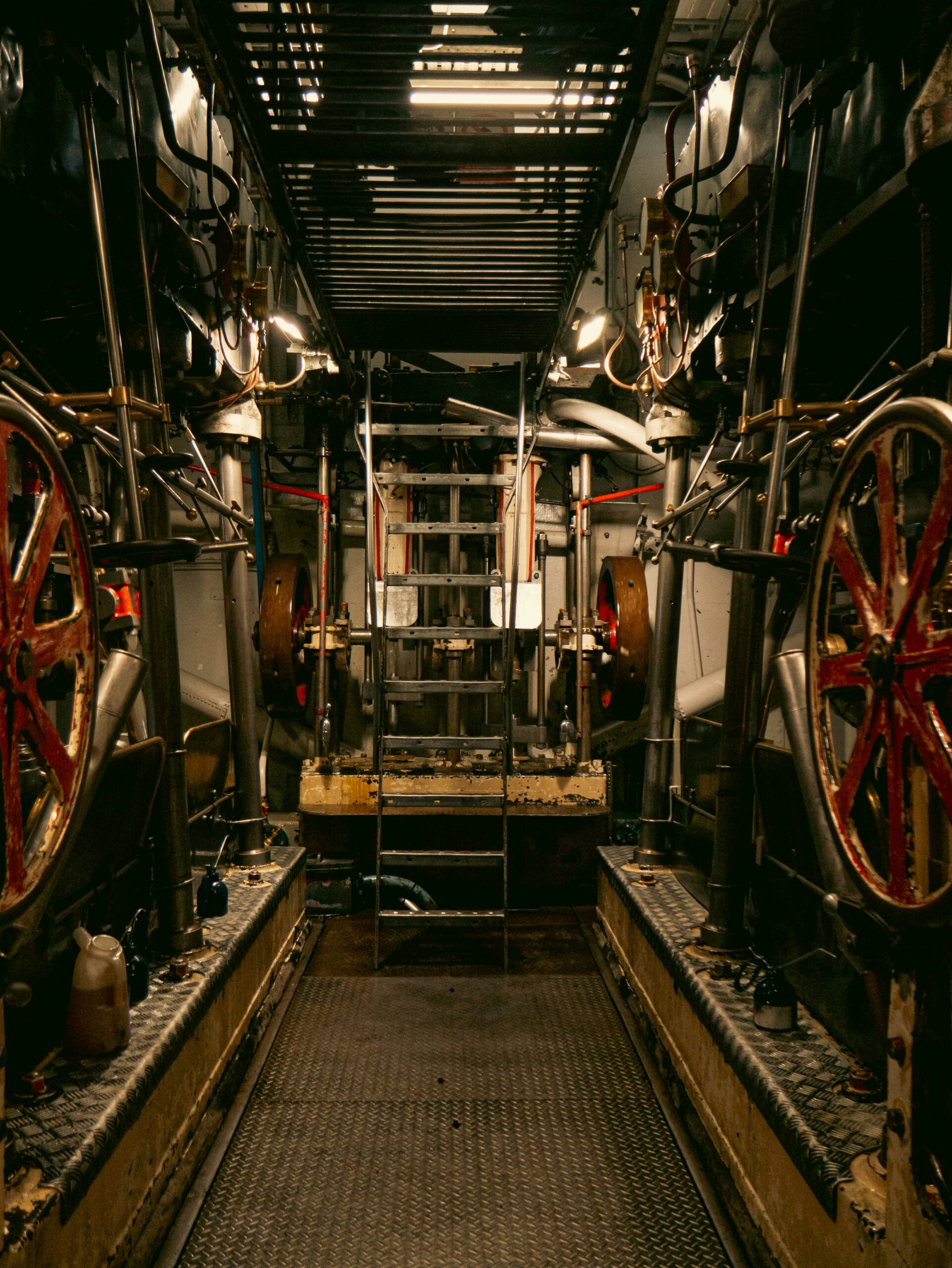
The machine finally goes quiet late on a Friday, and the temptation is familiar: fit the urgent maintenance into the gap, call whoever is available, and hope Monday starts cleanly. That is often how a two-hour job turns into a weekend of chasing parts, missed checks and an uneasy restart.
For machinery maintenance, use competent people and proper safe isolation; this is no place for improvised repair or isolation advice.
A useful maintenance window starts with scope, not dates. Decide what the stop is for before anyone talks about “making use” of downtime. Is the aim to replace known wear items, inspect a recurring fault, complete overdue servicing, or prepare for heavier summer use? Bundling everything into one shutdown can save disruption, but it also lengthens the stop and raises the chance that one delayed part stalls the whole programme.
Scope before shutdown
Suppose a workshop has one critical piece of plant and a short closure between jobs. One option is a broad strip-down with a specialist on site, several contractors booked and a long restart list. Another is a narrower stop that deals with the highest-risk wear points now and schedules a deeper overhaul for a quieter period. The right choice depends on revenue pressure, access to competent technicians, part lead times and how much testing the business can realistically support afterwards.
Competence matters well before the tools come out. Someone needs the authority to decide what work is in scope, who can perform it, what evidence is needed before restart, and who signs the plant back for production use. That may be an external technician for some tasks, an experienced maintenance lead for others, and a manager who understands the production consequences if testing uncovers another fault.
The handover deserves as much attention as the repair. “Finished” is too vague. A better brief sets out what has been changed, what has been inspected, what remains to be watched, what testing is required, and who must be present before normal work resumes. If a business cannot spare the right people for commissioning and observation, it has not really planned the shutdown.
Make restart part of the booking
Late spring is when leave calendars begin to bite, which is why booking a maintenance window now is often a staffing decision as much as an engineering one. If the only person who understands a recurring fault is due away in January, pull that knowledge into a work pack before the break. If a specialist contractor is essential, secure the date before everyone wants the same week.
Good planned downtime rarely feels convenient. It does, however, give an owner something far better than false efficiency: a deliberate pause, competent oversight, and a restart based on known work rather than crossed fingers.


