
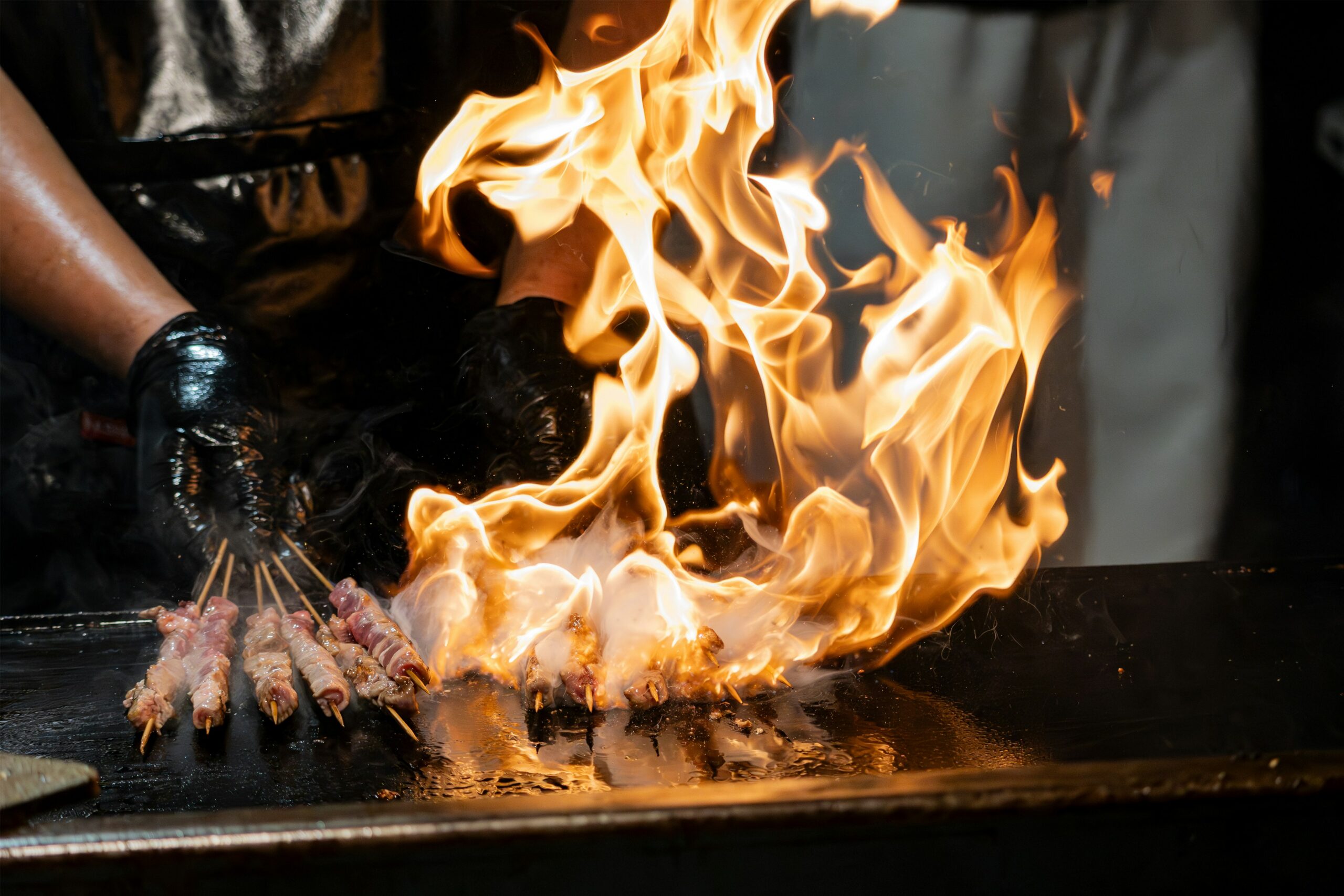
A modest movement in the national food-price index can conceal a very different experience in a particular kitchen. The items that matter most to one menu may be a small part of the wider basket.
Stats NZ reported on 18 September that food prices increased 0.3% in August compared with July 2026. Meat, poultry and fish rose 1.7% over the month. These are consumer-price measures, not a direct measure of every hospitality business's wholesale purchasing costs.
Cost the dish, not the headline
For an operator, the useful calculation begins with actual supplier invoices, usable quantities and the portion served. A familiar ingredient can become more expensive through a price increase, a change in pack size or lower usable yield.
Looking at those factors together can reveal where margin has moved. It may also show that a problem sits in waste or portion consistency rather than the purchase price alone.
This does not mean every menu needs constant revision. A regular, manageable review of important items can be more useful than an occasional hurried overhaul when the bank balance becomes uncomfortable.
The sales mix deserves attention as well. A dish with a healthy margin on paper contributes little if customers rarely order it, while a popular item can dominate the kitchen without contributing enough to cover the work involved. Looking at both popularity and contribution gives a fuller picture than ranking ingredients by cost.
That analysis can support quite modest decisions: simplifying preparation, reducing an unreliable component or giving a well-performing item clearer prominence. The point is to improve the offer as a whole, rather than making isolated cuts that leave it less appealing.
Give customers a coherent offer
If a change is needed, it should make sense as part of the meal and the customer's experience. Substituting an ingredient, adjusting a portion and changing a price are different decisions with different consequences.
Staff need to understand any change well enough to describe the offer confidently. A saving that creates confusion at the table can carry a cost of its own.
The same discipline applies to promotions. A busy special is valuable only when its economics are understood, including the additional work it creates.
National price data helps describe the environment, but the business's own purchasing and production records tell the more specific story. A well-costed menu gives an operator choices: where to protect quality, where to simplify and where a price adjustment can be explained honestly.


