
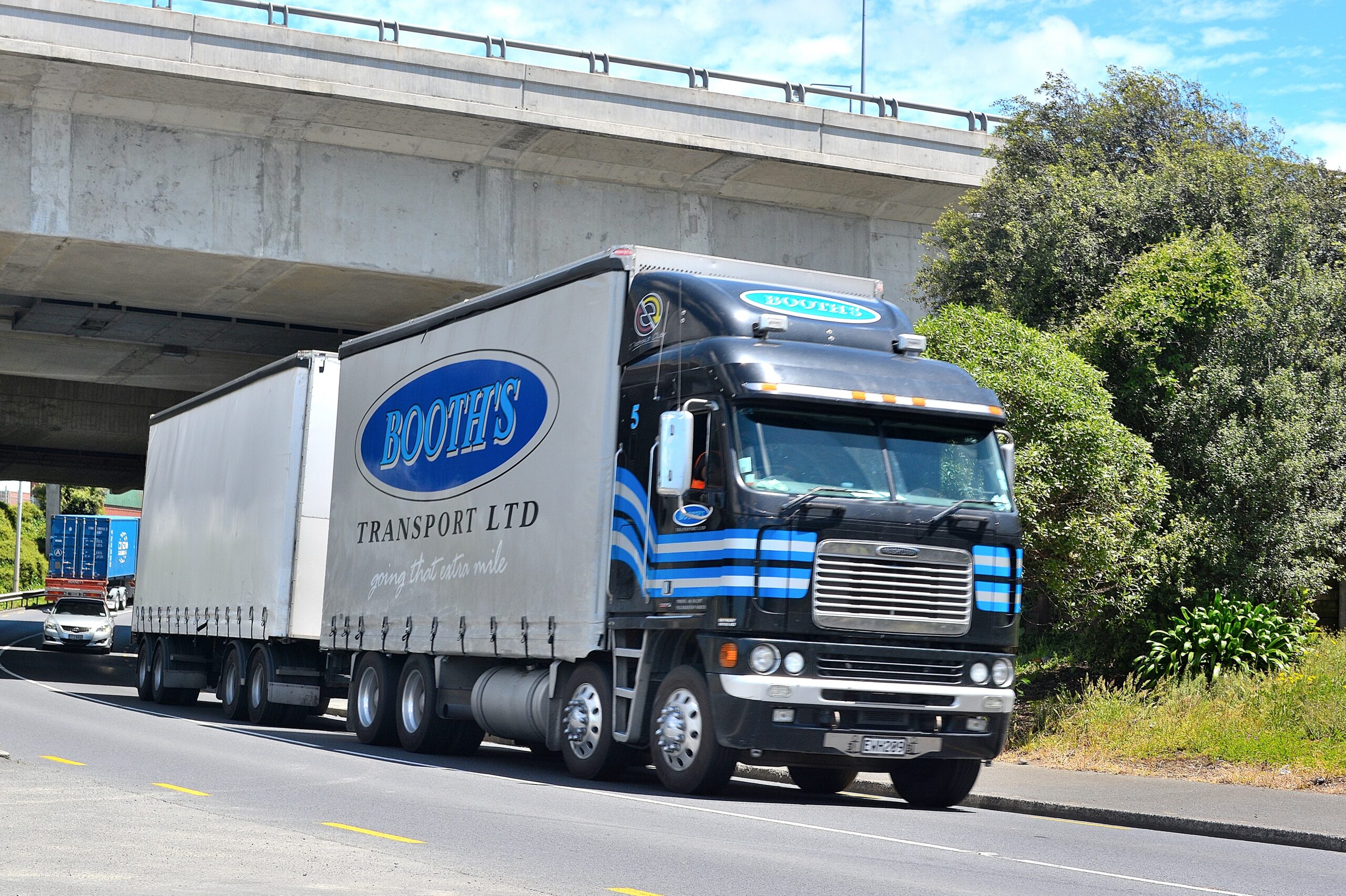
A truck earns its place by fitting the work. Payload shape, unloading access, handling equipment and staff competence matter alongside capacity. When the mix of jobs changes, a vehicle that once made sense may start creating extra trips and awkward compromises.
Vehicle choice and loading affect safe operation; use authoritative loading guidance and appropriately trained people.
Fit the truck to the work
That sounds obvious until a fleet grows by habit. A vehicle bought for one contract can linger into a very different season of work, where payload shape, loading method and site access matter as much as gross capacity. A truck that looks efficient on paper can create delay if staff must reload it, split a consignment, or refuse an access point because the combination is awkward in a confined yard.
October and November are a good time to review that fit before summer schedules fill up. Look at the jobs you already know are coming. Are loads mostly bulky, dense, awkwardly shaped, fragile, weather-sensitive, or time-critical? Do they arrive by forklift, crane, hand unload, or a mix? Each answer points toward a body style and loading approach, and away from a few common compromises that cost time every week.
Suppose a firm regularly alternates between machinery, pallet freight and loose gear. One larger vehicle may appear cheaper than running two specialised units, yet the real trade-off sits in handling time, loading complexity and the number of partial loads created when one truck cannot do every task cleanly. In some operations, a smaller vehicle paired with stricter load selection will earn its keep through smoother turnaround.
Training earns its keep
Capability in the cab and capability in the yard need to match the vehicle. Loading is often treated as a practical knack picked up on the run. That is where preventable trouble begins: weight placed for convenience, restraints chosen from habit, and rushed judgement when the day slips behind. An owner does not need everyone to become a technical specialist, but the people planning and placing loads should be trained for that responsibility.
Condition matters as well, because a sound loading plan relies on equipment being fit for use, checked by appropriately competent people. Deck surfaces, anchor points, curtains, gates, body hardware and lifting interfaces all influence whether the intended method is realistic on a busy morning. If those basics are tired, staff will improvise, and improvisation is an expensive management system.
The practical move this spring is to line up vehicle purpose, load type, site conditions and staff competence in one review, then tighten the weak points. A truck should suit the work you actually send it to do, and loading should be treated as a disciplined operating task, not the final five minutes before departure.


