
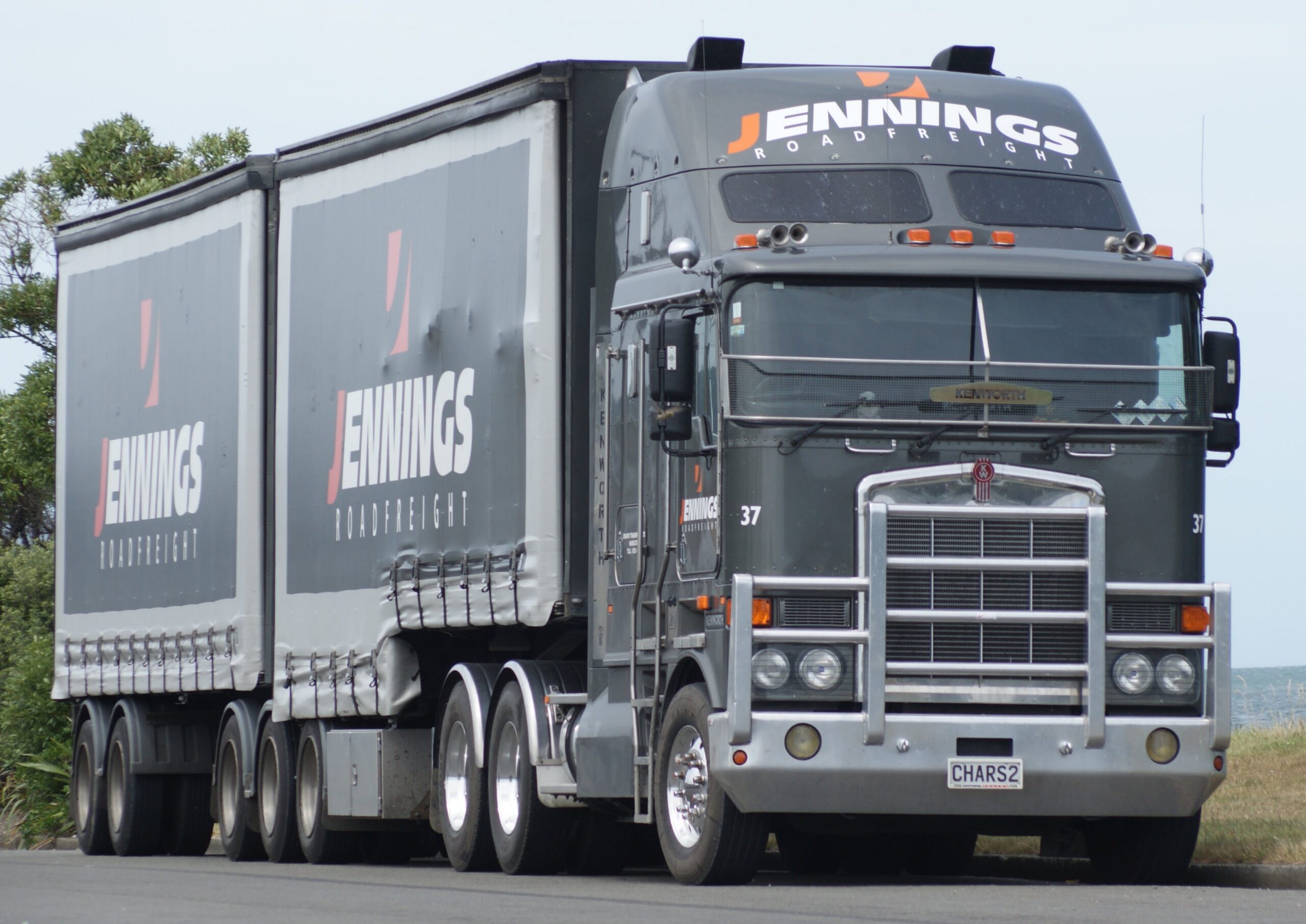
By mid-afternoon the van is back at the yard half-full, the return leg came home empty, and tomorrow’s run sheet still carries two low-fee drops on opposite sides of town. That is where fuel pressure stops being an abstract line in the accounts and starts shaping daily choices.
On 23 September 2026, MBIE updated fuel monitoring to include extra import and supply costs linked to the 2026 Middle East conflict.
That date matters because it is a reminder to review route economics now, before late-spring and summer trading patterns harden. For a transport operator, the issue is rarely one dramatic cost spike. It is the accumulation of small, tolerated inefficiencies: a vehicle sent early and waiting, a rural stop added without repricing, a return trip accepted as “useful volume” even though it carries no margin.
Price the shape of the job
A delivery price that once looked acceptable can age badly when the work drifts outward in distance, time window or handling complexity. Suppose a run earns $45 but adds 20 kilometres, ten minutes of waiting and no backload. The invoice may still look respectable until driver time, fuel and vehicle wear are assigned to that specific leg. Owners do not need perfect cost models; they do need a simple discipline of checking gross margin by route, by customer and by vehicle type.
That often leads to plain decisions. A minimum charge may need lifting on new quotes. Zoned pricing may be better than a flat fee. Waiting time, tight delivery windows, tail-lift use or out-of-route stops may need to be priced separately in renewals and customer reviews. The point is to charge for the shape of the job, not the habit of the job.
Use spring to rebuild the run sheet
Empty running deserves the same attention as headline fuel spend. Many owners look first at pump prices and last at dispatch habits, even though dispatch is where waste is created or removed. Consolidating low-yield drops onto set days, matching pickups to likely return corridors, or declining ad hoc work that breaks a profitable route can improve margin without adding a single customer.
There is a trade-off. Tighter routing can reduce flexibility for good clients, and higher minimums can cost some low-value work. Yet keeping underpriced work for the sake of movement has its own cost. A busy vehicle is not automatically a productive one.
Late spring is also the right time to ask customers for better forward visibility on summer volumes, closure dates and preferred delivery windows. Cleaner scheduling helps owners decide whether to hold spare capacity, subcontract peaks, or push some work to less costly days. A route that looks full on paper can still be thin at the bottom line.


