
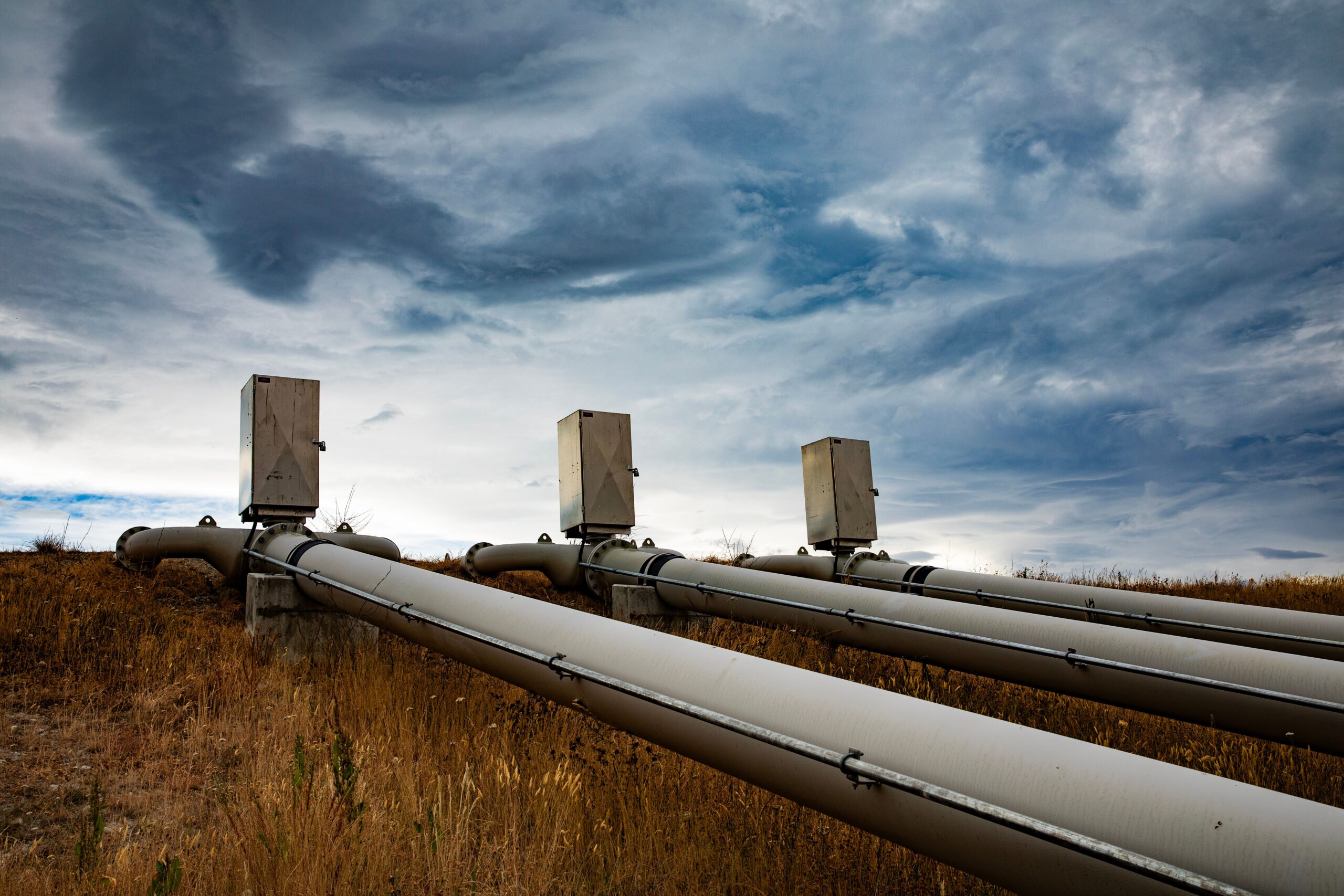
Before energy infrastructure appears on a construction programme, someone has to establish whether a project is worth investigating at all. That early work depends on information that is expensive to collect and easy to misunderstand.
New Zealand's updated Petroleum Exploration Data Pack was announced on 24 September. The 2025 edition brings together open-file information through the end of that year and is the first comprehensive refresh since 2018. Additions include data from 74 wells and 31 seismic surveys.
Evidence is an asset
Access to existing geological and exploration records can help a technical team frame its next questions. It does not convert an underground possibility into a commercially recoverable resource.
That distinction matters for businesses around the sector. Engineering capacity, equipment availability and specialist skills all require planning, but a data release is too early a signal to treat as a confirmed order book.
The productive response is to understand where a business might fit if exploration progresses. A supplier could review its relevant certifications, maintenance capability or ability to mobilise people. It can do that without committing substantial capital against work that has not been awarded.
For analysts, the quality of the underlying records also deserves attention. Survey age, coverage and methodology influence how information can be compared. More data is valuable when it helps resolve uncertainty; its volume alone is not a measure of a project's prospects.
Keep the stages visible
There is a long distance between available information, an exploration decision and dependable production. Public discussion becomes more useful when those stages are kept separate.
A sensible investment narrative therefore names what is known, what remains to be tested and what decision comes next. It leaves room for a project to change direction when the evidence changes.
The updated pack strengthens the starting point for that work. Its immediate contribution is better-informed assessment. Whether that assessment produces a viable development will depend on the technical, regulatory and commercial work that follows.


